domingo, 25 de enero de 2009

Jails: a Lacanian emptiness? / Cárceles: ¿Una falta lacaniana?


Symbol for Amnesty International


English

Daily Kos has a short contribution by someone who calls him/herself “LithiumCola” about a short story by Ursula K. LeGuin, “The ones who walk away from Omelas”. Anybody who wants a synopsis can look up the article, but the gist is this: there is no perfect happiness without an inner, terrible secret.

It’s an idea very close to that of emptiness in Lacanian psychoanalysis. Or what Yerma yearned for -and murdered for- in García Lorca’s play. But here, LeGuin describes the emptiness in Omelas as something dark and ugly.

LithiumCola has likened it to the prison in Guantanamo: after closing the jail, s/he asks, “Where will the detainees from Guantanamo go?” S/he isn’t talking about the practical problems involved; rather it is ostensibly a need for a guilty secret: a place where evil fantasies are brought to life, somplace disowned but necessary.

This isn’t political theory; it’s deeper than that. It isn’t an excuse for non-action either. Jails are terrible places, and things happen there that we’d rather not know about. But we do know, and we tolerate them with our eyes firmly shut. Are we responding to a deep need as LeGuin would suggest?


Español

Daily Kos tiene una corta contribución escrita por alguien que se hace llamar “LithiumCola” sobre un cuento corto de Ursula K. Leguen, “Quienes se alejaron de Omelas”. Los interesados pueden leer la sinopsis en el mencionado blog, pero la idea básica es: no hay felicidad perfecta sin que exista también un terrible y oculto secreto.

Se trata de algo muy similar a la idea de la “falta” lacaneana, o la razón por la cual Yerma asesinó a su esposo en la obra teatral del mismo nombre de García Larca. Pero aquí LeGuin describe algo oscuro y atroz.

Para LithiumCola es algo que se asemeja a la cárcel en Guantánamo: Pregunta, después de cerrar dicho penal, “¿dónde mandarán a los presos?” No habla de los problemas prácticos, sino la necesidad de albergar un secreto culposo, un lugar donde se realizan las fantasías malignas.

Es más profundo que una teoría política y no es una excusa para no actuar. Las cárceles son lugares terribles, y allí ocurren cosas cuyos detalles no quisiéramos enterarnos. Pero sabemos que suceden y las toleramos con los ojos firmemente cerrados.

References / Referencias
Article in Daily Kos / Artículo en el Daily Kos: http://www.dailykos.com/storyonly/2009/1/25/194312/239/595/688925

viernes, 23 de enero de 2009

Nooooooooooooooo!!!


Source of drone image
Fuente del imagen del drone


English

The BBC headlined today:

Pakistan drone attack kills nine


It is presumed to be a U.S. plane. Obama said he might go after terrorism in Pakistan, but he also said he preferred negotiation and peaceful reconstruction to destruction and death. Bad, bad start! To give him the benefit of a doubt, maybe the Pentagon acted on its own. If so, I do hope he shakes the place up.


Español

Source / Fuente

Sables devienen arrados


Hoy la BBC publicó este titular:

Avión silencioso mata nueve personas en Pakistán


Se supone que se trata de un avión estadounidense. Obama dijo que podría perseguir el terrorismo en Pakistán, pero también dijo que prefería la negociación y la reconstrucción pacífica a la destrucción y la muerte. ¡Mal comienzo!! Otorgándole el beneficio de la duda: tal vez el Pentágono le hizo una zancadilla. Si es así, espero que de un enorme sacudido al edificio entero.

jueves, 22 de enero de 2009

Gerard Depardieu and / y Román Polansky


English

I just saw, for the first time and on the “Film and Arts” channel, the movieA pure formality” with Gérard Depardieu and Roman Polansky. I turned on the TV just a little after the beginning, but from the first instant I was trapped by it.

Its quality may come from the script, but the acting is really something special. Water drips existentially from the leaky roof of a run-down police station while a detective (Polansky) and a famous author (Depardieu) -that suffers of all the crises his profession has to offer- are caught up in a murder interrogation. The problems of truth and the lies, psychosis, memory, creativity and guilt are all dealt with. The end is as ambiguous as the rest of the film, but does not really matter: already we have been pulled through all feasible emotions. And the main vehicle has been an almost- dialogue between these two skillful interpreters.

When the police “cage” takes the author, Onoff, to an undefined destiny, we don't know if everything has been a dead man's dream, or if the prisoner is going off to jail, or if the police are just giving him a ride back home. We don't care. We have seen two insurmountable actors interchange complex feelings for almost an hour and a half.


Español

Acabo de ver, por la primera vez y por medio del canal”Film and Arts”, a la película Una simple formalidad“ con Gerard Depardieu y Román Polansky como actores. Llegué un poquito tarde al programa, pero desde los primeros instantes no pude cambiar el canal: fue algo que atrapó mi atención desde la primera sílaba. No sé si su calidad se encuentra en el guión o la actuación, pero sospecho que fue el último aspecto.

Mientras goteaba agua del techo de una comisaría en las últimas etapas de la penuria, el comisario (Polansky) y un autor (Depardieu) -que sufre de todas las crisis posibles para dicha profesión- se confrontan sobre la resolución de un asesinato. Entran los problemas de la verdad y la mentira, la psicosis, la memoria, la creatividad y la culpa. El final es tan ambiguo que el resto de la película, pero no nos importa: ya nos han pasado por todas las emociones posibles, y por medio de lo que es casi un diálogo entre estos dos intérpretes magistrales.

Cuando la “jaula” de la policía lleva al autor, Onoff, a un destino no definido, no sabemos si todo sea el sueño de un muerto, si el preso va para la cárcel o si simplemente la policía le va a dar un aventón de regreso a su casa. No importa. Hemos visto a dos actores insuperables intercambiar sentimientos complejos por una hora y media.

martes, 20 de enero de 2009

Yes, we can! / Sí, podemos


English: The peaceful transition of power, and in the name of peace and equality
Español: La transición pacífica del poder, y en el nombre de paz e igualdad


English:

Today we must recognize the United States of America’s gigantic achievements: not only is the country reaping the fruit of decades of reflection and confrontation about the significance of race and racism. It is also taking on the problem of the value of war as an instrument of change and regency.

Although it is not true that the new President is “Black” (because he is, just like the rest of us, a complex genetic and cultural product), popular belief classifies him as such. From this ethnic foundation, the United States has been able to recognize the greatness of a man in spite of his social origins and the color of his skin. Fifty years ago they were still lynching people with similar characteristics that dared to aspire to something bigger. And a bit more than 150 years ago the Blacks were soulless merchandise on sale just in front of the House where Obama has taken over the country’s leadership.

What leads a people to overcome their limitations and prejudices? How can other nations learn how to do this?

An aside: This video is wonderful: Pete Seeger singing "This land is your land..." in front of the Lincoln Memorial. I don't know how to repeat it here on the blog, and readers will have to follow the link. It's interesting that in the quick shot they took of Obama, he didn't seem to know the words. Maybe that's just for our generation that remembers the 60's. Pete Seager was, and remains, one of my heroes.

Address for the Pete Seeger video: http://www.youtube.com/watch?v=Xg0wiOHc9tI&eurl=http://www.commondreams.org/view/2009/01/20-1&feature=player_embedded


Español:

Hoy hay que reconocer logros gigantescos a los Estados Unidos de América: no sólo están cosechando el fruto de décadas de reflexión y confrontación sobre el significado de raza y racismo, sino también sobre el tema del valor de la guerra como un instrumento de cambio y soberanía.

Aunque no sea cierto que el nuevo presidente es “Negro” (porque es, como somos todos, una mezcla compleja de lo cultural y genético), las creencias populares le clasifican como tal. A partir de este cimiento social el país ha podido reconocer la grandeza de un hombre a pesar de sus orígenes de clase social y el color de su piel. Hace cincuenta años todavía “linchaban” personas con características similares que se atrevían a aspirar a metas extraordinarias. Y hace un poco más de 150 años los Negros eran mercancía sin alma que se vendían justo frente a la Casa donde Obama hoy asume el mando nacional.

¿Qué conduce a un pueblo superar sus trabas y prejuicios? ¿Cómo lograrlo en todo el mundo?

Otro regalo de la vida: Este video es maravilloso: En él, Pete Seeger canta "Esta tiera es tu tierra..." frente al Memorial a Lincoln. No sé como copiarlo a este blog, y los lectores tendrán que seguir el enlace. Es interesante que en la toma rápida que hicieron a Obama, no parecía conocer las palabras. Tal vez sólo nuestra generación que recuerda los años 60 las sabe. Pete Seager era, y se queda, como un heroe para mí.

Dirección al video de Pete Seeger: http://www.youtube.com/watch?v=Xg0wiOHc9tI&eurl=http://www.commondreams.org/view/2009/01/20-1&feature=player_embedded

martes, 13 de enero de 2009

Reelection and participation / Reelección y participación


English


hen we were children, mama and daddy were almost unique beings, and even then, those of us that were luckier had grandparents, uncles, aunts, cousins and friends to mediate between our parents and us. Many of us, however, still dream that they will continue to protect us from the wolves under our beds. That’s why we tolerate political leaders that promise us security.

“Participate” has among its meanings to increase the number of people that are involved in political life. It’s not true that only one individual incarnates all the virtues of effective leadership.

Some leaders refuse to stay in power.

Source


For example Lucius Quinctius Cincinnatus, the great Roman general in the Fifth Century that conquered the Aequians, returned the symbols of authority and went back to his farm as a common citizen. George Washington, too, went back to his plantation alter winning the North American revolution against the English and serving one term as President of the United States. It is a model that has been followed by all the democratic presidents and first ministers that go back to private life after their years of public service.

Cesar, on the other hand, lied when he said he didn’t want to be emperor. Napoleon didn’t want to abandon his power either. The list of those that develop a real affection for the throne (or the presidential chair) is too long to repeat here; it’s enough to mention some contemporary leaders that have seized and retained command in their countries: Robert Mugabe, Fidel Castro, Kim Jong II and Pervez Musharraf.

An essential part of democracy is to change chief executives. Only the kings and dictators dominate their peoples for a lifetime. Henry Kissinger said that power is an aphrodisiac and an irresistible experience of coveting.


Source

Everyone recognizes Frodo Baggins’ heroism in resisting the fascination of that ring that promised lordship in Tolkien’s world of fairies and trolls.


                                                                                                             Source

On the other hand the weak little creature Gollum-Gollum gave in to its enchantment, and called it “My Precious”; he was trapped, rabbit-like, the the beam of absolutism.

Nacional constitutions and citizen vigilance should protect us from the temptations of dictators. Otherwise we would all be at the mercy of the Gollum-Gollums of this world.

References

Portrait of Cincinnatus: http://en.wikipedia.org/wiki/Cincinnatus
Portrait of Frodo Baggins: http://www.tuckborough.net/frodo.html
Portrait of Gollum-Gollum: http://www.mylot.com/w/image/2061298.aspx
Ornate letters / Letras ornatas: http://retrokat.com/medieval/leil.htm


Español


esde nuestra niñez, sentimos que mamá y papá –o sus sustitutos- nos protegerán: son arquetipos profundamente arraigados que todavía influyen en la elaboración de nuestras necesidades. Muchos quedamos con el sueño atávico de figuras protectoras: todavía tememos los lobos debajo de la cama. Por esta razón toleramos a líderes políticos que prometan seguir cobijándonos, y no miramos los motivos que podrían resguardar fuera de las cámaras de televisión.

Participar significa, entre otras acepciones, aumentar el número de personas involucradas en la vida política. No es verdad que un solo individuo encarne todas las bondades del liderazgo efectivo.

Algunos líderes niegan seguir en el mando.

Fuente

Tenemos el ejemplo de Lucius Quinctius Cincinnatus, el gran general romano en el Siglo V a.C., que dio victoria a su pueblo frente a los Aequianes, una población de la antigua península itálica, pero en seguida, después de serle útil a su patria, devolvió al Estado los signos de mando y autoridad y regresó a sus faenas en el campo como un ciudadano común. También George Washington regresó a su plantación después de servir como general en la Revolución estadounidense contra los ingleses, y luego como el primer presidente de aquel país, a pesar del deseo por parte de sus compatriotas que se quedara al mando. Es un modelo repetido en todos los presidentes y primer ministros que aceptan los resultados del voto popular y regresan a sus labores particulares después sus periodos constitucionales y limitados de servicio público.

Cesar, en cambio, mintió cuando dijo que no deseaba la corona, y manipulaba para que le declarasen emperador. Napoleón tampoco quería abandonar el mando; la lista de los que se encariñan con el trono (o silla presidencial) es demasiado larga para incluirlos a todos, basta con nombrar algunos de nuestros contemporáneos que se han aferrado a sus cargos: Robert Mugabe, Fidel Castro, Kim Jong II y Pervez Musharraf.

Un principio básico de la democracia es la alternabilidad en el mando. Los reyes y los caudillos ejercen la soberanía de sus pueblos de por vida. Dijo Henry Kissinger que el poder es un afrodisíaco, una casi irresistible experiencia de deseo y codicia.


Fuente

Todos sabemos del heroísmo del Hobbit Frodo Baggins en resistir la fascinación de aquel anillo que prometía señorío en el mundo de hadas y duendes que Tolkien describió,


                                                                                                             Fuente

en cambio el pequeño y débil Gollum-Gollum sucumbió al encanto de “Mi Precioso”, al encandilamiento del absolutismo.


Las constituciones y la vigilancia de los ciudadanos deben protegernos de las tentaciones de los mandatarios para eternalizarse en el poder. Si no fuera así, estaríamos siempre a la merced de los Gollum-Gollum de este mundo.

Referencias

Retrato de Cincinnatus: http://en.wikipedia.org/wiki/Cincinnatus
Retrato de Frodo Baggins: http://www.tuckborough.net/frodo.html
Retrato de Gollum-Gollum: http://www.mylot.com/w/image/2061298.aspx
Ornate letters / Letras ornatas: http://retrokat.com/medieval/leil.htm

sábado, 10 de enero de 2009

Blind loyalties / Lealtades miopes


Source / Fuente


English
There is something very worrisome that is happening in Venezuela. Peoples’ reactions to the Gaza situation are filtered by their local political loyalties. Those who support the present government here have a knee-jerk acceptance to everything that Hamas says, and the opposition believes everything Israel says. It has little to do with what is really happening over there. I don’t know how these interests have been able to capture our capacity for critical thought.

On the the BBC news page Paul Martin has described how the violence, hate and destruction that goes on between Israelis and Palestinians is truly a mutual tragedy. These situations don’t grow on sterile ground: there is always a long history in which diverse aggressors have created many victims, all of whom feel the need for vengeance.


Español


Source / Fuente

Monument to the 149 people who were killed by the German punishment battalion in the Belarusian village of Khatyn in 1943.
Monumento a las 149 personas que fueron masacradas por la batallón de castigo alemana en el pueblo de Khatyn, Belarusia, en 1943.


Es preocupante como en Venezuela se juzga lo que pasa en Gaza: todo pasa por el filtro de las lealtades políticas aquí en casa. Quienes apoyan al gobierno respaldan a Hamás como un acto-reflejo. Por otro lado, quienes se oponen al régimen venezolano respaldan sin miramientos a los testimonios israelíes. No sé como estas lealtades miopes pudieron secuestrar nuestra capacidad de pensamiento crítico.

Paul Martin describe en inglés como la violencia, el odio y la destrucción entre Israelíes y Palestinos es una tragedia mutua en la BBC. Estas situaciones no crecen en un vacío: siempre tienen historias largas donde las víctimas de diversos victimarios sienten la necesidad de vengarse.

References / Referencias

1. Weeping angel / Angel llorando: http://www.flickr.com/photos/8047619@N08/544264972/
2. Monument in Belarusia / Monumento en Belarusia: http://www.belarusguide.com/travel1/Khatyn.html

miércoles, 7 de enero de 2009

Venus


Source / Fuente


English

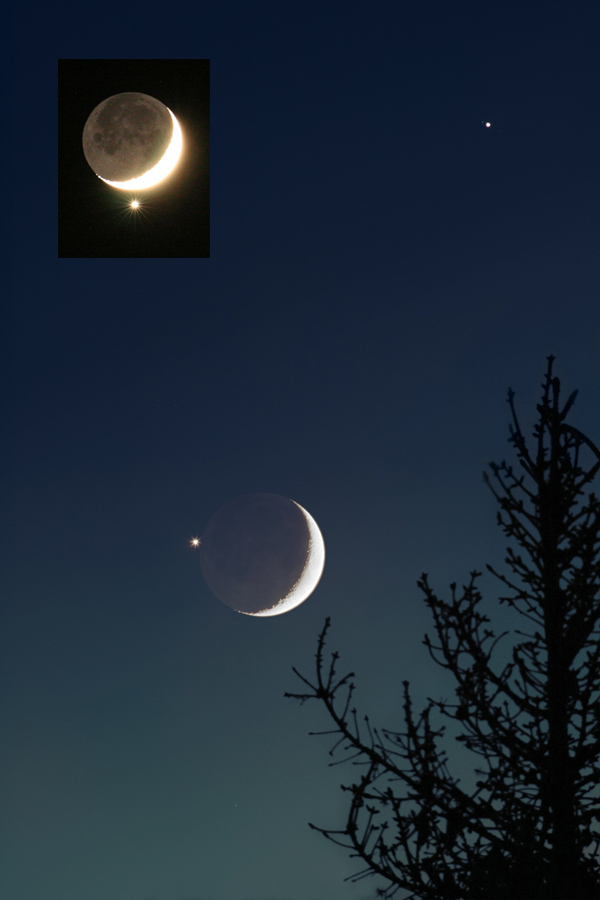
In November, Venus and Jupiter approached each other spectacularly in the evening sky. In France Venus also approached the moon in a way that simulates a mirror image of the Turkish flag. Then at the end of december, from the Alpes Venus seemed to approach the moon even more.

I love to watch the stars. They installed a street lamp just in front of my porch, supposedly to keep thieves away, but the same lamp has stolen my Milky Way. I’m glad it seems to be burning out.

For those that are intrigued by how our ancesters looked at the stars there is this experience of the winter solstice from Newcastle in Ireland. This video , is long, but interesting. However due to the cloud cover, the phenomonon of how the first winter sun rays are captured by the ancient monument can't be really appreciated. The real experience can only be seen in clips inserted from 2007. For those that only want to see a quick picture, here is one offered by NASA (I suppose also from 2007).


Español

Source / Fuente


En noviembre Venus y Júpiter se acercaban en el cielo después del puesto de sol de manera espectacular. También desde Francia se veía Venus y la luna de manera que asemeja a la la bandera de Turkía, pero al revés. Y a los finales de diciembre, desde los Alpes se veía a Venus acercarse aún más a la luna .

Me encanta ver las estrellas. Frente a mi casa instalaron un faro, supuestamente para proteger mi casa con su luz antirrobo, pero me alegra que se apague porque él mismo es un ladrón que me quita la Vía Láctea.

Para quienes se maravillan frente a los monumentos que deumestran como nuestros ancestros humanos se acercaban al cielo, está la experiencia del solstice de invierno, el 20 de diciembre, este año en Newcastle, Irlanda. Este video , es largo (y con comentarios sólo en inglés), pero es interesante; debido a las nubes, sin embargo, es de interés sobre todo por episodios que incluyen el solstice de 2007 en el mismo lugar cuando sí hubo sol suficiente para ver como se ilumine el fondo del santuario con los rayos de la madrugada invernal. Para quienes sólo quieren ver una foto del momento culminante (supongo también del 2007), la NASA ofrece esta foto.
 
Locations of visitors to this page